
"coffee plant adaptability"
1000 article(s) found

Coffee Flavor description of Ethiopian Coffee Manor Coffee Flavor description of roasting degree Price planting Environment
Ethiopian coffee beans grow in close to the natural environment, after years of planting under the same growth conditions, Ethiopian coffee beans have gradually adapted to the environment here. More than 60% of coffee beans are grown in forests or semi-forests. Large-scale coffee-growing villages account for about 35% of the country's total coffee production. Many of these are used.

Ethiopian Coffee Features Ethiopian Coffee Flavor Boutique Coffee
Ethiopian coffee beans grow in a near-natural environment. After years of cultivation under the same growing conditions, Ethiopian coffee beans have gradually adapted to the environment here. More than 60% of coffee beans are forest or semi-forest grown coffee. Coffee farming villages produce about 35 percent of the country's coffee. Many of these are used.

Ethiopian Coffee Manor Flavor Taste introduces Ethiopian boutique coffee beans
Sustainable coffee culture Ethiopian coffee beans grow in close to the natural environment, after years of planting under the same growth conditions, Ethiopian coffee beans have gradually adapted to the environment here. More than 60% of coffee beans are grown in forests or semi-forests. The villages that grow coffee in large areas account for about the total amount of coffee produced in the country.

The three main types of coffee
In terms of coffee varieties, there are three main ones: Arabica, Robusta, and Liberia Liberica. The first two are more common, while the latter hardly circulates on the market and is traded only internally in some West African countries. Arabica is mostly produced in Brazil, Colombia, Guatemala, Jamaica, Mexico and other American countries, Costa Rica in the Caribbean Sea,

Katim coffee bean, Katim coffee bean characteristics
Follow the caf é (official Wechat account vdailycom) found that the beautiful cafe opened its own small shop, small seed coffee, which belongs to the high generation variety of Katim, with medium dwarf plant, exuberant growth, stable by-characters, emerald green leaves of crown buds, dark green leaves of the whole plant, columnar shape, short internodes, many branches, exuberant growth, wide adaptability, strong drought resistance and certain cold resistance.

Output accounts for about 20% to 30% of the world's output. Robasta Coffee Tree Commercial Coffee
The bean shape of Robasta is larger, the front is gradually round, the back is round and convex, and the crack is straight. Robasta coffee trees are native to Madagascar in central and western Africa and Indonesia in Asia, and account for about 20% to 30% of the world's output. Robasta coffee tree is suitable for planting in the lowlands below 500 meters above sea level. It has strong adaptability to the environment and can resist bad conditions.

The varieties and characteristics of Kenya Future Star SL28 and SL34? What is the planting history?
Professional coffee knowledge exchange more coffee bean information please follow the coffee workshop (Wechat official account cafe_style) Kenya future stars SL28 and SL34 varieties and characteristics? What is the planting history? Series: bourbon Series name: Jiadu Lili AA Variety: SL28 SL34 treatment: washing altitude: 1800 m production area / Manor: Kenya-Neri Jiatuli

The three native species of coffee
The three main native species of coffee are coffee varieties: Arabica Arabica, Robusta Robusta, and Liberia Liberica. The first two are relatively long-term, while the latter is hardly in circulation on the market and is only traded within parts of West African countries. Arabica is mainly produced in Brazil, Colombia, Guatemala, Jamaica, Mexico and other American countries, the Caribbean Sea.

Flavor and taste characteristics of Ethiopian coffee manor introduce Ethiopian coffee varieties
Ethiopian coffee beans grow in close to the natural environment, after years of planting under the same growth conditions, Ethiopian coffee beans have gradually adapted to the environment here. More than 60% of coffee beans are grown in forests or semi-forests. Large-scale coffee-growing villages account for about 35% of the country's total coffee production. Many of these are used.

Introduction to the Fine Coffee Bean Flavor and Taste Manor in Ethiopia
Ethiopian coffee beans grow in close to the natural environment, after years of planting under the same growth conditions, Ethiopian coffee beans have gradually adapted to the environment here. More than 60% of coffee beans are grown in forests or semi-forests. Large-scale coffee-growing villages account for about 35% of the country's total coffee production. Many of these are used.

What are the sweeter coffee beans? typica Coffee, Fine Coffee, Common beans
Professional coffee knowledge exchange more coffee bean information please pay attention to the coffee workshop (Wechat official account cafe_style) front street-tin card variety introduction of coffee varieties will directly affect the coffee flavor, quality, coffee tree planting requirements, coffee tree disease resistance and so on. In the coffee consumer side, coffee practitioners and coffee consumers will be more concerned about the variety of coffee brought directly to the coffee style.
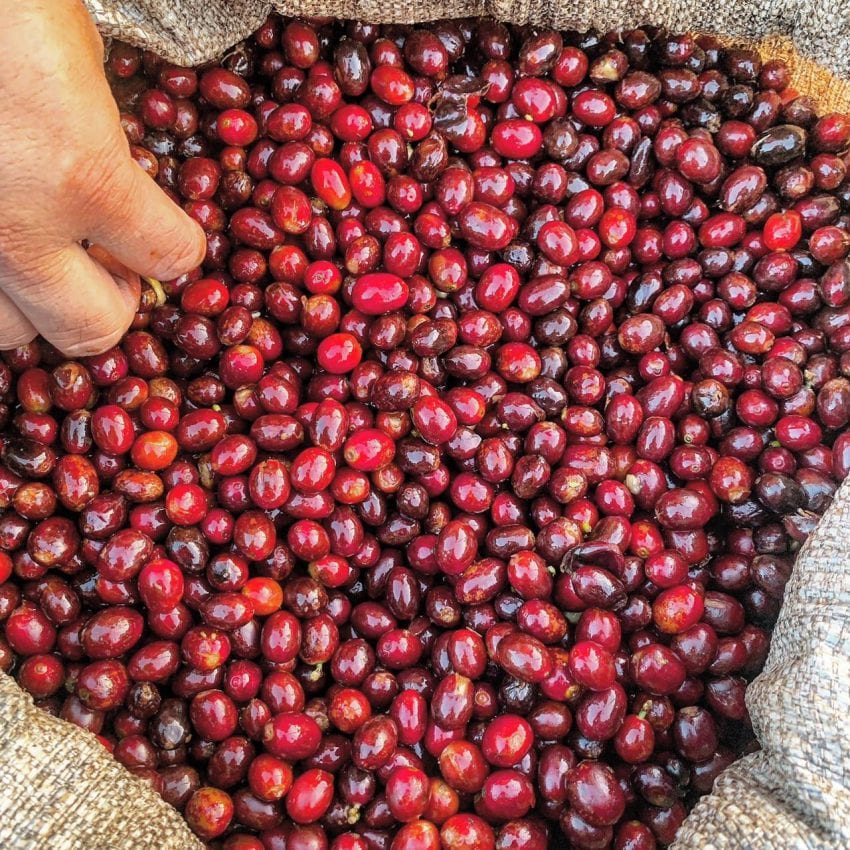
How to choose the right variety of coffee to grow? What factors should be considered in the selection of coffee varieties?
Professional coffee knowledge exchange more coffee bean information Please pay attention to the coffee workshop (Wechat official account cafe_style) to produce quality coffee, one of the most important factors is to choose the right coffee variety. Why do so many people invest in coffee breed breeding projects that require additional resources but are not necessarily reflected in the price in the end? The most important thing is how to make sure

Introduction to the Development History and successful planting of Siti U Canaan Manor in semi-washed Red Bourbon, Brazil
The Red Bourbon Joan Hamilton and Ivan dos Santos inherited the Canaan estate from their father. After taking over the operation of the manor, Joan and Ivan realized the need to change traditional farming methods, so they decided to stop using pesticides, use as little fertilizer as possible, and stop weeding. Let the farmland in and around the manor maintain the old vegetation and stop cutting.

Hartman Manor introduces how to treat Hartman coffee beans and grow varieties.
The exchange of professional baristas please follow the coffee workshop (Wechat official account cafe_style) Hartman Manor introduces Hartman's story is as legendary as its coffee. Hartman Manor is located in Chilidge, Santa Clara. The founder is called Mr.Alois St. Hartmann (Luis Hartmann). He was born on June 20, 1891 in Austria and Hungary.

Taste characteristics of Ethiopian Coffee Manor Flavor description and introduction of varieties producing areas
Ethiopian coffee beans grow in close to the natural environment, after years of planting under the same growth conditions, Ethiopian coffee beans have gradually adapted to the environment here. More than 60% of coffee beans are grown in forests or semi-forests. Large-scale coffee-growing villages account for about 35% of the country's total coffee production. Many of these are used.

Hartmann Red Wine treatment characteristics of Hartmann Red Wine treated Coffee
Professional barista communication please pay attention to the expectations of the coffee workshop (Wechat official account cafe_style) for the taste: acetic acid fermentation: cleaner, lively acid, brighter acid, citric acid lactic acid fermentation: taste more round, less clean than acetic acid fermentation, higher alcohol thickness, malic acid / tartaric acid before this, the treatment plant is passed down from generation to generation of manual operators

Coffee Bean Variety Daquan | how important Arabica Coffee beans are
It has always been a complicated matter to classify coffee genetically. As far as the coffee varieties on the market are concerned, the most superficial classification is of course divided into Arabica and Robusta (hereinafter referred to as radish beans). About the difference between Arabica and turnip beans, follow Wechat cafeliving reply

Ethiopian Coffee Manor Culture introduces Flavor
Coffee Culture Coffee beans in Ethiopia grow in close to the natural environment. After years of planting under the same growth conditions, Ethiopian coffee beans have gradually adapted to the environment here. More than 60% of coffee beans are grown in forests or semi-forests. Large-scale coffee-growing villages account for about 35% of the country's total coffee production.

Introduction to the growing environment of Ethiopian coffee introduction to Yega Snow Coffee Manor
Ethiopian coffee beans grow in close to the natural environment, after years of planting under the same growth conditions, Ethiopian coffee beans have gradually adapted to the environment here. More than 60% of coffee beans are grown in forests or semi-forests. Large-scale coffee-growing villages account for about 35% of the country's total coffee production. Many of these are used.